9 Ways To Keep Leftovers Fresh Longer Without Compromising Safety
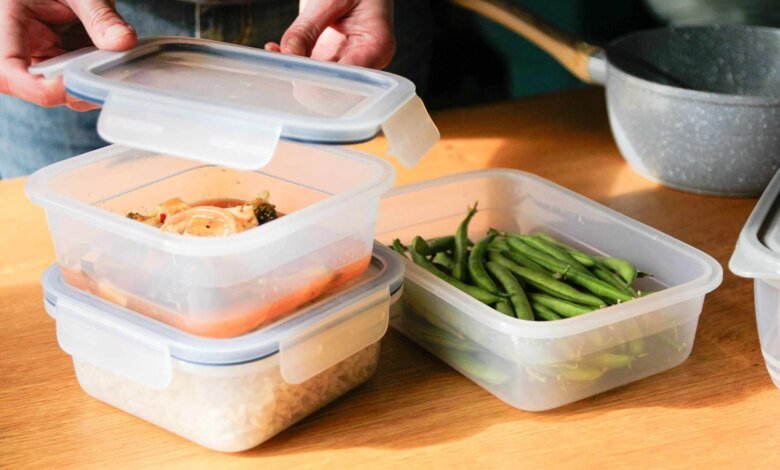
Whether you have take-out or home-cooked meals, leftovers last about 3-5 days in the fridge. Previously hot or cold perishable foods left at room temperature will also only last for about 1-2 hours before needing refrigerating.
If you don’t store your leftovers properly or leave your leftovers in the fridge for too long, bacteria will begin growing on your food and cause it to spoil. This can increase your risk of foodborne illnesses like food poisoning.
your و or و leftovers – تفاصيل مهمة
To help your leftovers last as long as possible, follow these food safety tips to keep your food fresh.
Store leftovers in the fridge or freezer within 1-2 hours of eating. Throw out any foods left out longer than two hours or in temperatures above 90 °F (32 °C) after one hour.
in و or و hours – تفاصيل مهمة
Always store leftovers with a lid or wrap that keeps them sealed from bacteria and other fridge odors.
Store previously hot leftovers in small amounts and shallow containers, which helps them cool quickly.
Store و previously و hot – تفاصيل مهمة
Use an appliance thermometer to ensure your fridge is set to 40 °F (4 °C) or below and your freezer is 0 °F (-17 °C) or below.
The FoodKeeper app (developed by the USDA’s Food Safety and Inspection Service) provides precise tips for different leftovers.
The و FoodKeeper و app – تفاصيل مهمة
If you’re leaving hot food out for than two hours, keep cooked foods in a slow cooker, chafing dish, or warming tray to keep them hot.
If you leave cold perishable foods like deli meats and potato salad out for than two hours, put them on ice.
If و you و leave – تفاصيل مهمة
Clean your fridge regularly and store leftovers away from raw meat to avoid spreading bacteria and other pathogens.
Microwave or cook leftovers in the oven to 165 °F (74 °C) or above.
or و Microwave و cook – تفاصيل مهمة
How long your leftovers last depends heavily on temperature and time. Bacteria grow quickly in temperatures between 40 degrees Fahrenheit (°F), or 4 degrees Celcius (°C), and 140 °F (60 °C). Once leftovers enter this temperature range, bacteria can double every 20 minutes and spoil food. It only takes about two hours for unrefrigerated leftovers to spoil.
In warmer temperatures over 90 °F (32 °C), bacteria can grow faster and spoil leftovers in an hour.
Storing leftovers in the fridge helps keep food at 40 °F (4 °C) and below range and slows harmful bacteria growth. However, even if you promptly refrigerate leftovers, bacteria will still start to grow on food and become unsafe after about 3-4 days.
Freezing leftovers at or below 0 °F (-17 °C) halts bacteria growth that causes spoilage.Still, the quality and taste of the food will deteriorate after about 3-4 months.
and و bacteria و °F – تفاصيل مهمة
Here are some basic guidelines for how long you can leave leftovers out:
- Hot foods:Refrigerate leftovers two hours after cooking or removing from a warming appliance (like a slow cooker or other warmer)
- Cold perishable foods:Refrigerate foods like poultry, meat, fish, and dairy products within two hours
- Hot temperatures:Refrigerate leftovers within one hour if you’re outside in the heat or have food in a hot car
Divide large quantities into multiple shallow containers when storing leftovers in the fridge or freezer. This will help the food cool down to safe temperatures quickly. This method is particularly essential for foods like soup and whole roasts of meat, which take a long time to cool. For example, a large roast may still be warm in the center after two hours of refrigeration, allowing bacteria to grow, while smaller portions of meat will have cooled by then, slowing bacteria growth.
Avoid storing leftovers in a crowded fridge, which decreases air circulation needed for proper cooling.
a و leftovers و in – تفاصيل مهمة
Cover your leftovers with airtight lids, plastic wrap, or other reusable covers. You can also wrap cold perishable foods in sealed packaging, such as plastic wrap or vacuum-sealed bags. Keeping leftovers covered and sealed helps prevent bacteria from getting into your food. It also helps your food retain moisture and avoid absorbing odors from other foods that can alter the taste of your leftovers.
Freezing vs. Refrigerating
If you’re not planning on eating leftovers in 3-5 days, you can freeze them to increase their shelf life to 3-4 months. (Leftovers containing mayonnaise, cream sauces, and lettuce don’t freeze well or taste very good once defrosted).
Frozen leftovers can technically last indefinitely, but freezing removes moisture from food, altering taste and quality over time. This is why frozen leftovers often lose tenderness, flavor, color, and juiciness.
For best results, freeze leftovers immediately so they’re already at their peak quality and flavor. When you’re ready to eat frozen leftovers, thaw them in the refrigerator, cold water, or microwave. You must also eat thawed leftovers within 3-4 days, as defrosted foods will start to grow bacteria.
leftovers و to و and – تفاصيل مهمة
Spoiled food is usually noticeable because it changes in appearance, odor, and taste. Common signs your leftovers have spoiled include:
- Darkening or fading color
- Texture changes that feel sticky, tacky, or slimy
- Fuzzy green, white, or black mold
- Foul smell or taste
What To Do if You Eat Something Spoiled
Eating spoiled leftovers introduces harmful bacteria to the digestive tract that can lead to foodborne illness, also known as food poisoning. As a result, you may experience symptoms like diarrhea, vomiting, abdominal pain, fever, and headache.
Food poisoning symptoms can happen suddenly, 6-24 hours, or days after eating spoiled food. The bacteriaStaphylococcus aureus,Salmonella enteritidis,E. coli,CampylobacterandClostridium perfringensare common culprits of leftover-related food poisoning. These bacteria thrive in foods left in unsafe temperatures between 40-140 °F (4-60 °C).
or و food و in – تفاصيل مهمة
If you accidentally eat spoiled leftovers, don’t panic. Most cases of food poisoning last for less than 24 hours or a few days. You can also typically manage food poisoning symptoms at home without needing medical intervention or experiencing complications.
Disclaimer: This news article has been republished exactly as it appeared on its original source, without any modification.
We do not take any responsibility for its content, which remains solely the responsibility of the original publisher.
Disclaimer: This news article has been republished exactly as it appeared on its original source, without any modification.
We do not take any responsibility for its content, which remains solely the responsibility of the original publisher.
Author: uaetodaynews
Published on: 2025-12-02 17:04:00
Source: uaetodaynews.com