


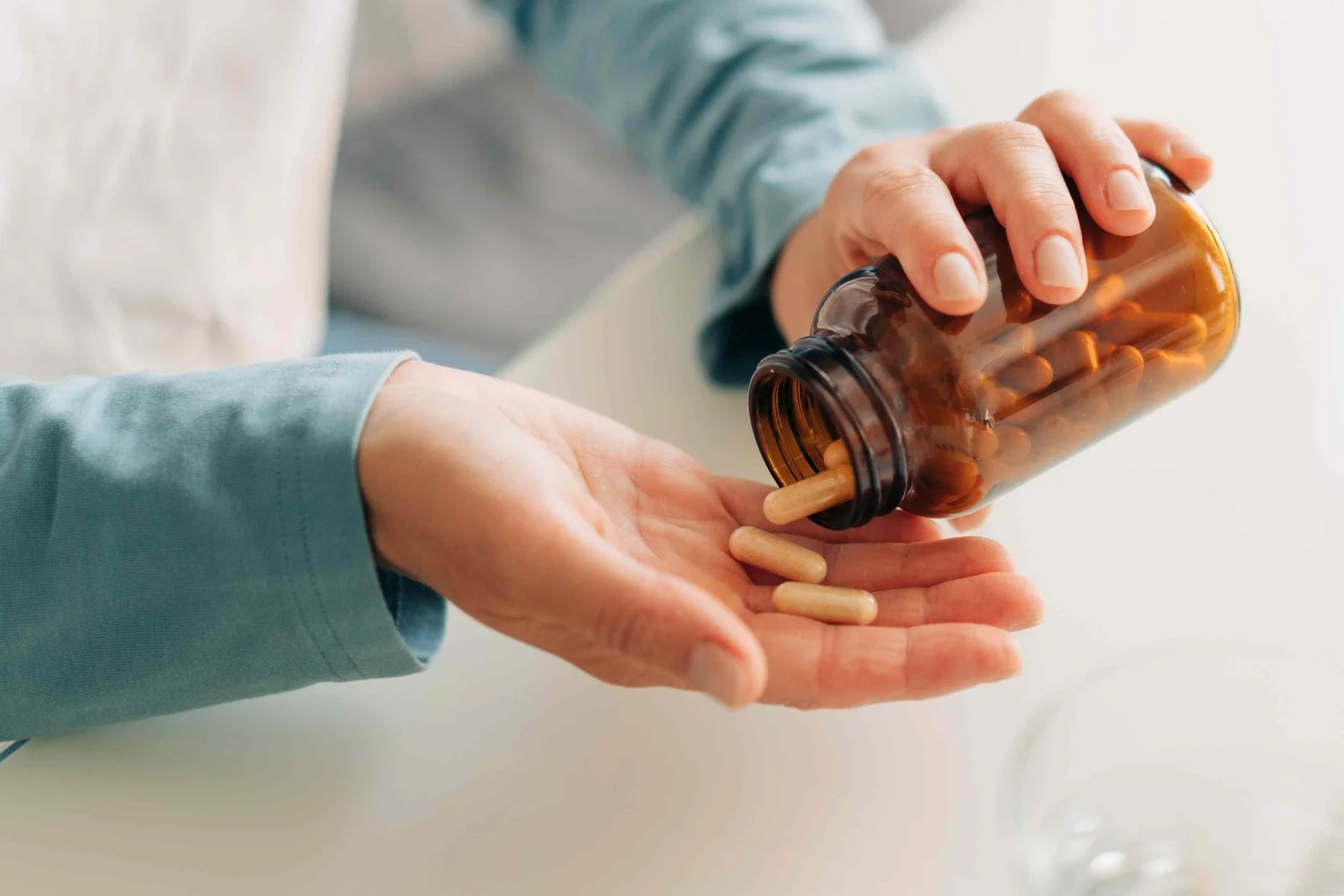
Vitamin B12 is an essential nutrient that supports red blood cell production, nerve function, energy metabolism, and DNA synthesis. A supplement can help fill gaps when you’re not getting enough vitamin B12 from foods like eggs, oysters, and salmon, but experts say there’s no single best time to take it.
Because vitamin B12 is water-soluble, meaning it dissolves in water, it’s often best taken on an empty stomach with water, said Megan Meyer, PhDa science communication consultant based in Durham, North Carolina. Some limited evidence also suggests vitamin B12 could reduce sleep, so taking it earlier in the day may be a good idea.
Still, there’s no universally ideal time to take vitamin B12, according to
“>▶ عرض المحتوى المضمّن
a registered dietitian nutritionist and founder of Follador Nutrition Services. “What matters most is being consistent and taking the proper dosage,” she said.
While the timing of vitamin B12 may not matter much, other factors can impact the efficacy of the supplement, said Julie Pace, RDNa functional dietitian nutritionist & founder of Core Nutrition Health & Wellness.
These include the form of the supplement, stomach acid levelsexisting B12 status, and the body’s ability to produce a protein called intrinsic factor, which is essential for absorption. “Think of it as a ‘shuttle bus’ that carries B12 through your digestive system into your bloodstream,” Pace toldHealth. “Without it, your body can’t absorb B12 from food, regardless of how much you eat.”
For people who have trouble absorbing B12, higher-dose supplements or even injections may be necessary, Follador said.
Meyer recommends getting vitamin B12 from food whenever possible. Many animal products naturally contain B12, and some foods—such as breakfast cereals, nutritional yeast, and plant-based milks—are fortified with it.
However, people who are deficient in vitamin B12which can be confirmed with a blood test, may benefit from supplements. Those who follow vegan or vegetarian diets, as well as people with conditions that impair nutrient absorption, such as celiac disease or Crohn’s disease, are likely to be deficient, Meyer said.
Supplement doses can be as high as 1,000 micrograms—far above the 2.4 micrograms most adults need—but because vitamin B12 is water-soluble and not stored in the body, these amounts are considered safe, Meyer added.
Disclaimer: This news article has been republished exactly as it appeared on its original source, without any modification.
We do not take any responsibility for its content, which remains solely the responsibility of the original publisher.
Disclaimer: This news article has been republished exactly as it appeared on its original source, without any modification.
We do not take any responsibility for its content, which remains solely the responsibility of the original publisher.
Author: uaetodaynews
Published on: 2026-01-03 20:26:00
Source: uaetodaynews.com