
Nearly 1 In 5 UTIs May Be Linked To Contaminated Meat, Study Finds
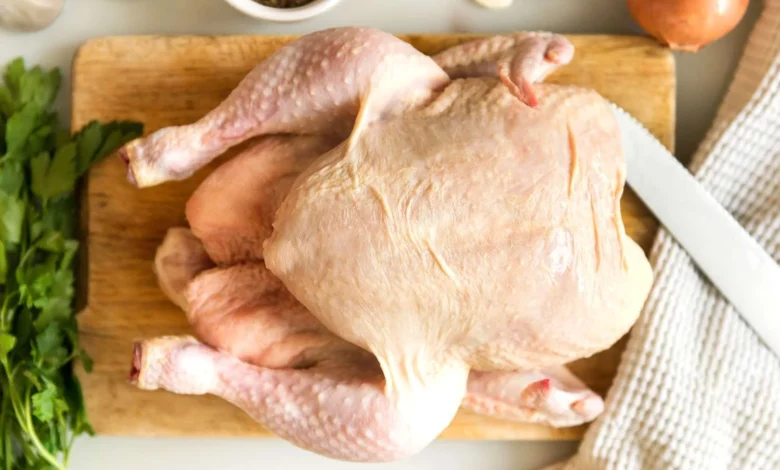
- A new study inClinical Microbiologysuggests that nearly one in five UTIs in Southern California could be traced to E. coli from food animals, with rates even higher among women and residents of lower-income neighborhoods.
- By comparing thousands of E. coli samples from both retail meats and UTI patients, researchers found that about 18% of infections may have animal origins.
- You can reduce your risk by keeping raw meat separate from other foods, cooking it thoroughly (165°F for poultry, 160°F for beef and pork, 145°F for fish), refrigerating it promptly, and taking measures to support urinary health.
There’s nothing fun about a urinary tract infection (UTI), but they unfortunately lead to than 8 million doctor visits each year, according to the American Urological Association. Menopause and sexual activity are major causes of UTIs, but there’s another culprit worth knowing about: contaminated meat.
A recent study published inClinical Microbiologyfound that nearly one in five UTIs in Southern California (roughlyabout 18%) may be caused by E. coli strains originating from food animals — meaning they were likely transmitted through contaminated meat. The percentage of E. coli-related UTIs was even higher among residents of high-poverty neighborhoods (roughly 21.5%), and women were likely to be diagnosed with the infection than men (approximately 19.7% compared to 8.5%).
in و to و and – تفاصيل مهمة
To reach these conclusions, researchers collected and compared over 12,000 E. coli cultures from retail meat products and nearly 23,500 clinical E. coli specimens from patients with UTIs. From there, advanced genetic sequencing and statistical models were used to estimate each strain’s likely source, with about 18% of infections again having a “zoonotic,” or animal, origin.
While startling, it’s important to note that the study cannot establish a direct cause-and-effect relationship between eating contaminated meat and an individual’s UTI, says Siri DrangsholtMD, a double-board-certified urologist and urogynecologist, and an assistant professor of urology at New York Medical College. Additionally, the study did not describe the patients, so it’s possible they only had bacteria in their urine without actually having a UTI, she says. “A UTI means that you have bacteria (in the urinary system) and symptoms from that bacteria.”
Even with these limitations, the study highlights an important and often overlooked connection between food safety and urinary tract health. Ahead, we tapped experts for everything you need to know, including how to minimize your risk.
and و the و to – تفاصيل مهمة
What is a UTI?
A UTI occurs when bacteria enter the urethra (the tube that carries urine out of the body) and the bladder, but it can also spread to the kidneys and upper urinary tract.
“Not all bacteria that invade the urinary tract cause symptoms; however, most bacteria, including E. coli, can infect the bladder and cause symptoms like burning, urinary frequency and urgency, and suprapubic (the area in the lower abdomen just above the pubic bone) pressure,” says Brian HelfandMD, a board-certified urologist at Endeavour Health. Cloudy or strong-smelling urine is also common, and if the infection reaches the kidneys, fever, chills, nausea, vomiting, and lower back pain may also occur, he adds.
Women face the highest risk of UTIs, primarily due to their anatomy and hormonal changes associated with menopause, but other groups at increased risk include older adults, people with diabetes or weakened immune systems, those with urinary tract abnormalities, pregnant women, individuals with recurrent infections, and men with prostate enlargement or previous urology procedures, Drangsholt says.
The study also found that residents of high-poverty neighborhoods may face a higher risk of UTIs. The exact correlation is unclear, but possible explanations may include inadequate food safety regulations, suboptimal storage conditions, and deficiencies in food handling or hygiene practices.
and و the و with – تفاصيل مهمة
How exactly does contaminated meat cause a UTI?
Raw meat can carry E. coli bacteria, and during handling, these bacteria can cross-contaminate hands and cutlery, Helfand says. “If humans come into contact or consume this meat, it’s possible that the E. coli could colonize the gut, where it can then spread directly from the gut or be shed through bowel movements to the perianal (the area of skin surrounding the anus) or periurethral region (the area of tissue surrounding the urethra),” he explains. From there, the bacteria can ascend to the urinary tract, leading to an infection of the bladder and/or kidneys.
What types of meat are of concern?
Any raw meat can, in theory, be linked to disease-causing E. coli, Helfand says. However, the study examined chicken, turkey, pork, and beef, and the results indicated that poultry (chicken and turkey) had the highest rates of E. coli contamination and zoonotic UTI strains.
the و and و of – تفاصيل مهمة
Here’s the exact breakdown of E. coli contamination rates, per the study’s findings:
- Turkey (82%)
- Chicken (58%)
- Pork (54%)
- Beef (47%)
Antibiotic use and farming practices can also contribute to the presence of drug-resistant E. coli inalltypes of meat. “When antibiotics are used routinely in food animals, it can encourage bacteria like E. coli to develop resistance, and those resistant strains can then contaminate meat and spread to humans,” Drangsholt says.
Improved farming practices — such as limiting antibiotic use to sick animals and maintaining cleaner environments — are thought to help reduce this risk, but, from a consumer perspective, Drangsholt recommends shopping for organic, antibiotic-free meat when possible.
to و and و can – تفاصيل مهمة
What are the telltale signs of contaminated meat?
Unfortunately, there are no visible signs of contaminated meat since E. coli cannot be seen, smelled, or tasted, says Melissa Vaccaroa senior food safety program specialist at the National Environmental Health Association. Instead, the best practice is to assume all raw meat could contain bacteria and handle it carefully. This involves keeping raw meat separate from other foods, thoroughly washing hands and surfaces after contact, and cooking all meat to safe internal temperatures (165°F for poultry, 160°F for beef and pork, and 145°F for fish), she says.
How to minimize your risk
When it comes to minimizing your risk of UTIs, Drangsholt, Helfand, and Vaccaro recommend the following:
- Thoroughly washing hands, utensils, cutting boards, and counters after handling raw meat.
- Cooking all meat to safe internal temperatures and using a meat thermometer as necessary — 165°F for poultry, 160°F for beef and pork, and 145°F for fish.
- Keeping raw meat separate from other foods and avoiding cross-contamination with ready-to-eat foods.
- Refrigerating or freezing meat promptly after purchase to at least 41°F.
- Avoiding meat that is warm or has been sitting at room temperature for than two hours.
- Purchasing organic meat or cuts labeled “raised without antibiotics.”
- Being cautious of meat sold in “value packs,” since it typically has a higher rate of E. coli contamination.
- Maintaining general urinary health
- Staying hydrated (1 to 3 liters of water a day)
- Not delaying urination
- Urinating after sexual activity
- Avoiding constipation
Finally, if you suspect you have a UTI (from contaminated meat or otherwise) and symptoms do not resolve within a day, Drangsholt recommends contacting your doctor. Seek immediate care if you are immunocompromised, have a fever, back pain, or nausea, or if symptoms occur during pregnancy or after urologic procedures.
meat و and و or – تفاصيل مهمة
Reviewed by
Lauren Modern MS, RDN, LD, CLEC: Lauren is an award-winning registered dietitian and three-time book author, with than 22 years in the field.
p style=”font-size:18px; color:#555;”>
Disclaimer: This news article has been republished exactly as it appeared on its original source, without any modification.
We do not take any responsibility for its content, which remains solely the responsibility of the original publisher.
Author:Andi Breitowich
Published on:2025-11-24 19:29:00
Source: www.foodandwine.com
Disclaimer: This news article has been republished exactly as it appeared on its original source, without any modification.
We do not take any responsibility for its content, which remains solely the responsibility of the original publisher.
Author: uaetodaynews
Published on: 2025-11-29 07:39:00
Source: uaetodaynews.com