




Apple’s satellite plans go way beyond emergencies
According to a new report, Apple’s vision for satellite connectivity is much grander than its current features suggest. The company’s initial goal, which started about a decade ago, was reportedly to bypass cellular carriers entirely.Like the Apple Watch’s original health ambitions, the company scaled back that vision to launch a practical feature first: Emergency SOS on theiPhone 14. Since then, it’s steadily added roadside assistance and, recently, basic off-grid text messaging for all users.
Now, Apple is reportedly working on a significant expansion of these capabilities.
Upcoming satellite features
- An API (Application Programming Interface) for third-party developers to add satellite connections to their own apps.
- Satellite connectivity for Apple Maps, allowing users to navigate without a Wi-Fi or cellular signal.
- Richer messaging that supports photos, not just basic text.
- “Natural usage” improvements, so the phone can connect from a pocket, car, or even indoors without being physically pointed at the sky.
- Support for 5G NTN (Non-Terrestrial Networks) in next year’s iPhones, which allows cell towers to tap satellites for increased coverage.
The new space race is heating up
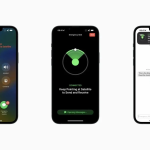
Apple’s Emergency SOS via satellite. | Image credit — Apple
Apple isn’t developing this in a vacuum, as the competitive landscape is shifting rapidly. SpaceX’s Starlink has a wide-ranging partnership withT-Mobileand bothVerizon andAT&T are developing their own satellite offerings.This has reportedly caused debate within Apple, with some executives feeling the company shouldn’t act like a carrier. The strategy also relies heavily on Globalstar’s network, which Apple has helped finance. Gurman notes that Globalstar is exploring a potential sale, and SpaceX is seen as a possible acquirer. Such a deal would complicate Apple’s plans, forcing it to partner with a major competitor.
The long game
From my perspective, this strategy is classic Apple. The company is playing the long game: it wants to own the entire user experience and sees a future where satellites could become a dominant technology for mobile connections.
Relying on carriers to build this out globally isn’t fast enough for Apple. By investing early, it positions itself at the center of this transition, ensuring its privacy and design standards are met.
The current “point-at-the-sky” system is clunky and impractical for most people, so the push for “natural usage” is the most critical part of this plan. If Apple can make satellite connectivity as seamless as Wi-Fi, it becomes a massive, sticky feature for the iPhone ecosystem. It’s not about replacing carriers today, but about ensuring Apple isn’t left behind tomorrow.Travel Easy with Nomad eSIM – 25% Off
25% off eSIM data-only plans & global coverage – enter code IPHONE25, sign up required
Read the latest from Johanna Romero
Disclaimer: This news article has been republished exactly as it appeared on its original source, without any modification. We do not take any responsibility for its content, which remains solely the responsibility of the original publisher.
Author:Johanna Romero
Published on:2025-11-09 19:06:00
Source: www.phonearena.com
UAETodayNews delivers the latest news and updates from the UAE, Arab world, and beyond. Covering politics, business, sports, technology, and culture with trusted reporting.
Disclaimer: This news article has been republished exactly as it appeared on its original source, without any modification. We do not take any responsibility for its content, which remains solely the responsibility of the original publisher.
Author: uaetodaynews
Published on: 2025-11-09 15:23:00
Source: uaetodaynews.com